
Start with the basics
Small chains.
Very different signals.
Peptides are short chains of amino acids. Some occur naturally as signaling molecules; others are modified analogs designed to remain active longer, bind a specific receptor or help researchers isolate one pathway. The word peptide therefore describes a structure—not a single purpose.
Two compounds can both be peptides while belonging to completely different areas of research. One may be studied in tissue-remodeling models, another in appetite signaling, mitochondrial biology or sleep architecture. The useful question is not simply “what does this peptide do?” but “which pathway is being studied, and how strong is the evidence?”
Read the evidence correctly
Four different evidence landscapes
A compound can be widely discussed and still have little human evidence. These labels describe the broadest type of published work associated with each entry; they are not ratings of safety or effectiveness.
Controlled or prospective research in people. Results may still be indication-specific.
Small studies, early trials or findings that have not been broadly replicated.
Preclinical work that may clarify mechanisms but cannot establish human outcomes.
Early mechanistic research in cells, isolated tissue or analytical systems.
The major families
A simpler way to understand the landscape

Tissue and recovery research
Remodeling, cell migration, extracellular matrix, vascular and barrier pathways.
Metabolic signaling
Appetite receptors, glucose regulation, body-composition endpoints and energy balance.

Mitochondria and cellular aging
Cellular energy, oxidative stress, senescence and age-associated signaling.
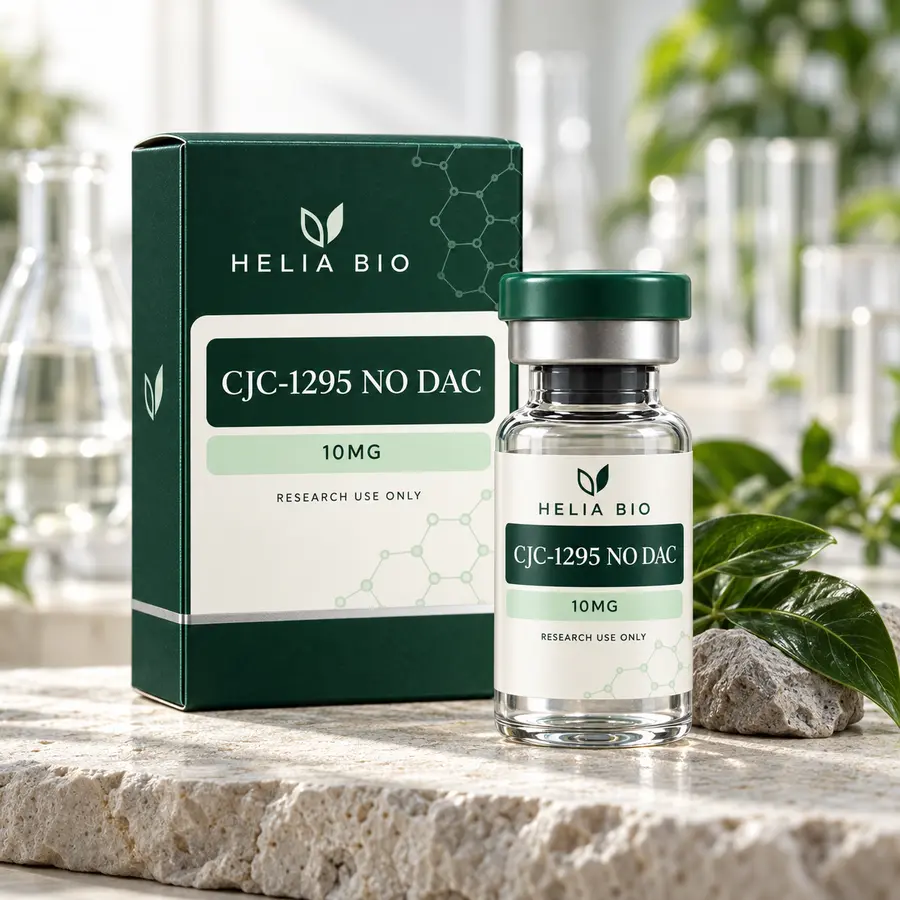
Growth-hormone signaling
GHRH, ghrelin-receptor and IGF-axis research models.
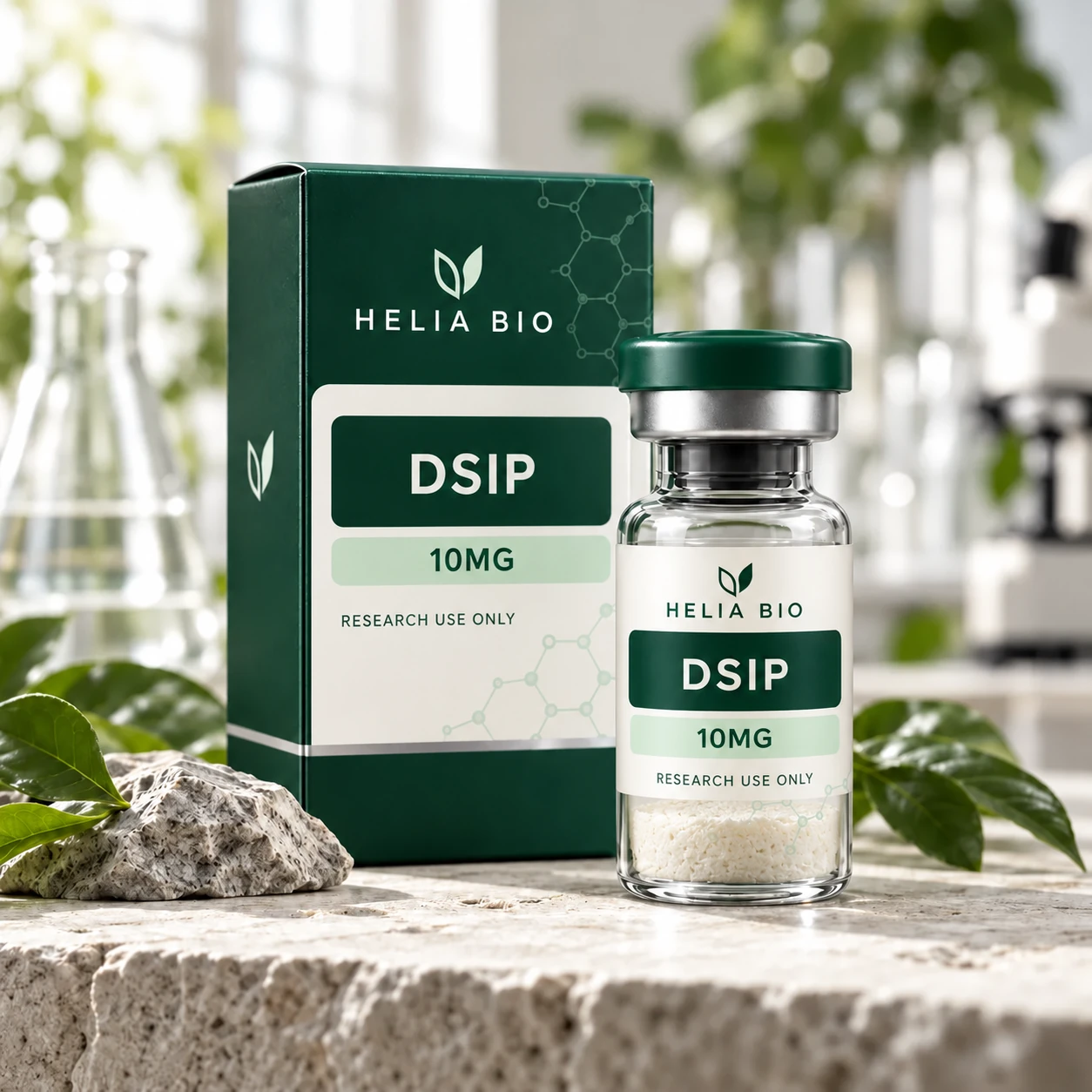
Brain, stress and sleep
Neuropeptide signaling, sleep architecture, cognition and stress-response models.
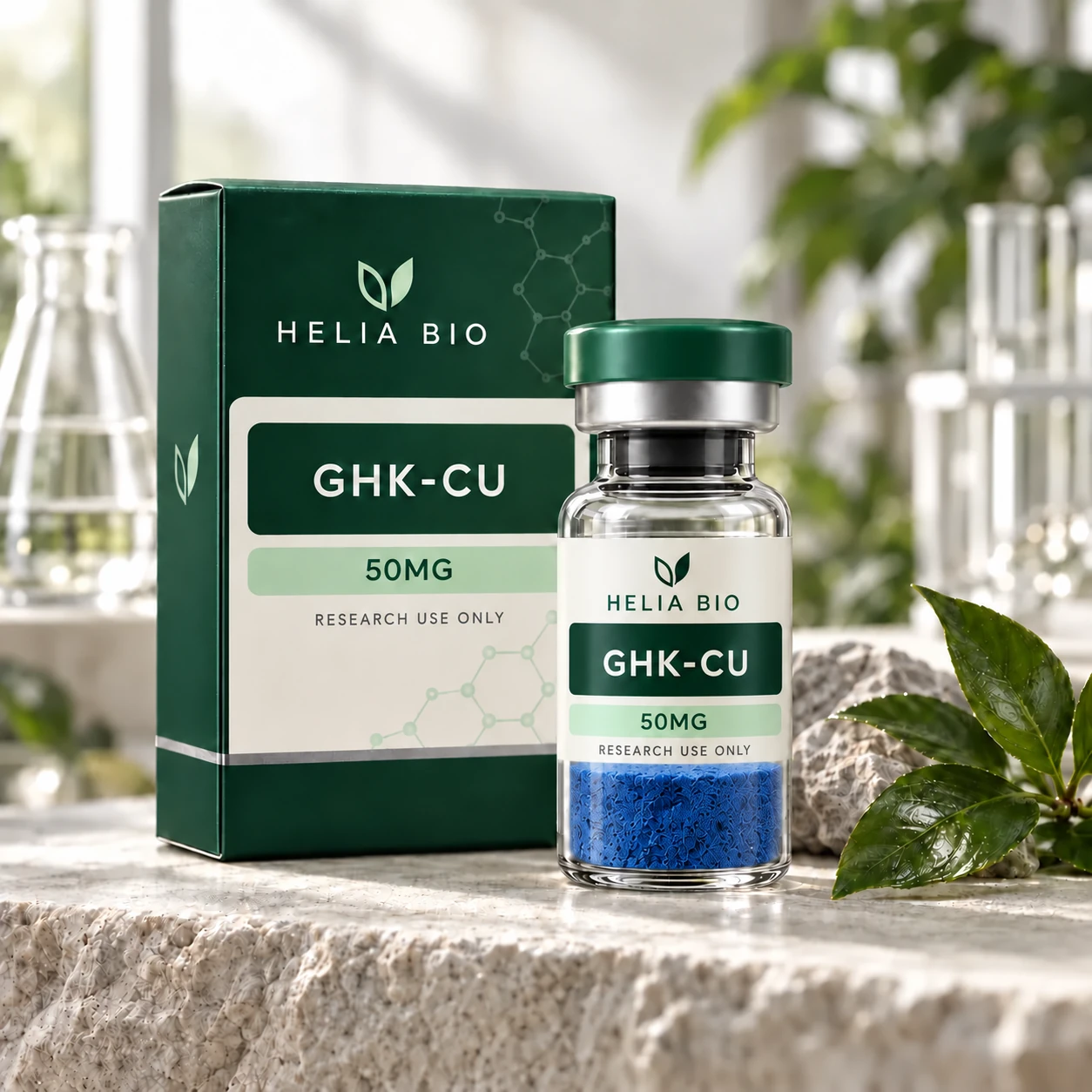
Skin and copper-peptide research
Collagen pathways, skin remodeling, extracellular matrix and hair-follicle models.
Searchable reference
Peptide research index
Use the search box to filter by name, alias, family, pathway or evidence type. The “focus” column summarizes research questions—not expected personal outcomes.
| Name | Research family | Primary laboratory focus | Evidence landscape | Research status |
|---|---|---|---|---|
| AOD-9604hGH fragment 176–191 | Growth-hormone fragment | Fat-cell metabolism and lipolysis models | Animal models | Research compound |
| ARA-290Cibinetide | Erythropoietin-derived peptide | Tissue-protective signaling and small-nerve-fiber endpoints | Human trials | Investigational research |
| BPC-157Gastric pentadecapeptide | Tissue-repair research | Tendon, gastrointestinal, vascular and soft-tissue models | Animal models | Research use only |
| CagrilintideAM833 | Long-acting amylin analog | Appetite signaling and body-weight endpoints | Human trials | Investigational research |
| CartalaxAED tripeptide | Short peptide bioregulator | Cartilage and bone-metabolism models | Cell and laboratory | Research compound |
| CJC-1295 (no DAC)Modified GRF 1–29 | GHRH analog | Growth-hormone pulse and pituitary-signaling models | Animal models | Research use only |
| CJC + IpamorelinDual-pathway research blend | GHRH + ghrelin-receptor signaling | Coordinated growth-hormone secretagogue models | Animal models | Research blend |
| DSIPDelta sleep-inducing peptide | Neuropeptide | Sleep architecture and stress-response signaling | Cell and laboratory | Research use only |
| EpithalonEpitalon · AEDG | Tetrapeptide bioregulator | Telomerase, pineal and circadian-signaling models | Limited human | Research use only |
| FOXO4-DRIProxofim | D-retro-inverso peptide | Senescent-cell survival signaling | Animal models | Early research compound |
| GHK-CuCopper tripeptide-1 | Copper-binding tripeptide | Collagen, elastin, skin-remodeling and follicle models | Limited human | Topical and laboratory research |
| Ipamorelin | Ghrelin-receptor agonist | Selective growth-hormone release signaling | Animal models | Research use only |
| Kisspeptin-10KP-10 | Reproductive neuropeptide | GnRH and reproductive-axis signaling | Limited human | Investigational research |
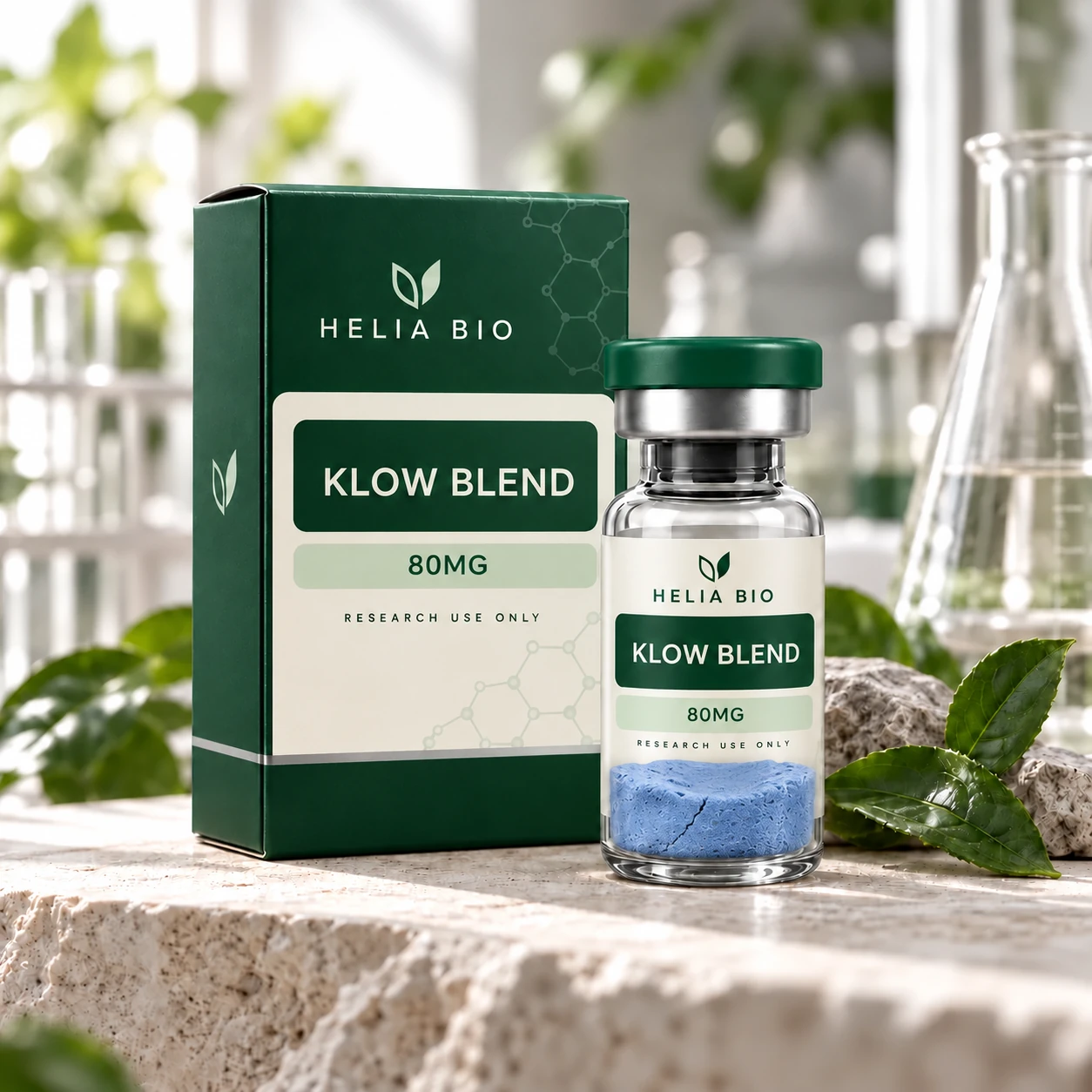
| KLOWGHK-Cu · BPC-157 · TB-500 · KPV | Multi-peptide blend | Combined tissue, copper-peptide and barrier-signaling models | Mixed preclinical | Research blend |
| KPVLys-Pro-Val | Alpha-MSH fragment | Intestinal barrier and inflammatory-signaling models | Animal models | Research use only |
| LL-37Cathelicidin fragment | Antimicrobial peptide | Innate immunity and microbial-interaction models | Cell and laboratory | Research compound |
| Melanotan IIMT-2 | Alpha-MSH analog | Melanocortin-receptor and pigmentation models | Early human / lab | Research compound |
| MOTS-cMitochondrial-derived peptide | Mitochondrial signaling | AMPK, exercise adaptation and metabolic regulation | Animal models | Research use only |
| NAD+Coenzyme—not a peptide | Cellular coenzyme | Redox reactions, energy metabolism and sirtuin biology | Limited human | Often grouped with peptide research |
| Oxytocin | Neurohypophysial peptide hormone | Social signaling and reproductive physiology | Human trials | Prescription hormone / research material |
| PEG-MGFPEGylated mechano growth factor | IGF-1Ec-derived fragment | Mechanical-load and muscle-repair signaling | Cell and laboratory | Research compound |
| Pinealon | Short peptide bioregulator | Neuronal and circadian-signaling models | Cell and laboratory | Research compound |
| PT-141Bremelanotide | Melanocortin-receptor agonist | Central melanocortin and sexual-response signaling | Human trials | Prescription analog / research material |
| RetatrutideTriple GLP-1 · GIP · glucagon agonist | Triple incretin-receptor agonist | Metabolic, appetite and energy-expenditure endpoints | Human trials | Investigational research |
| Selank | Tuftsin-derived heptapeptide | Stress-response and neurobehavioral models | Limited human | Research compound |
| Semaglutide | GLP-1 receptor agonist | Glycemic, appetite and body-weight endpoints | Human trials | Prescription drug |
| Semax | ACTH-derived neuropeptide analog | Cognition, ischemia and neuroprotection models | Limited human | Research compound |
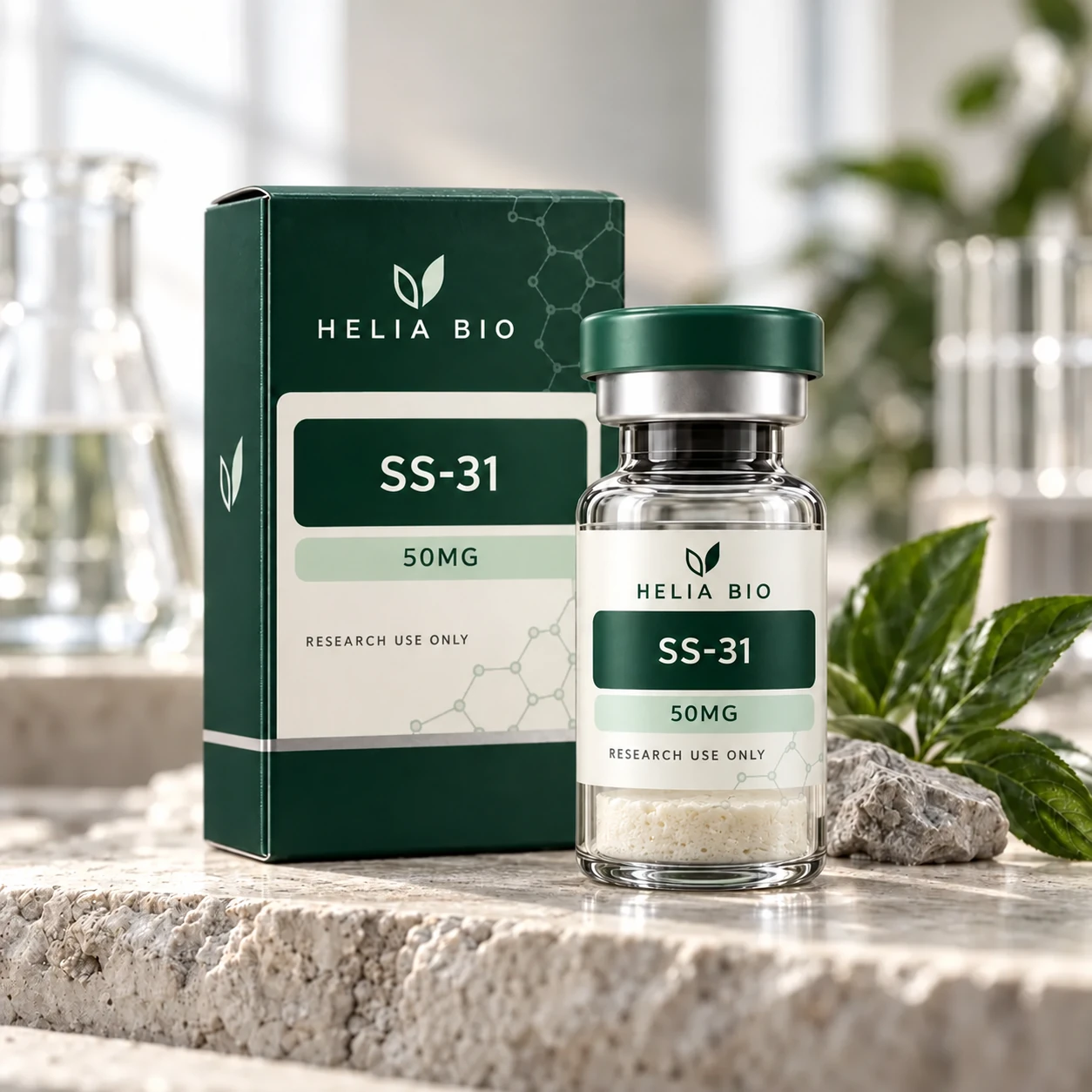
| SS-31Elamipretide | Mitochondria-targeting tetrapeptide | Cardiolipin, oxidative stress and mitochondrial function | Human trials | Investigational research |
| TB-500Thymosin beta-4 fragment | Actin-binding peptide research | Cell migration, angiogenesis and wound models | Animal models | Research use only |
| Tesamorelin | GHRH analog | Growth-hormone axis and visceral-adipose endpoints | Human trials | Prescription analog / research material |
| Thymosin alpha-1Thymalfasin | Thymic peptide | T-cell and immune-response signaling | Human trials | Research use only in the U.S. |
| TirzepatideDual GIP · GLP-1 agonist | Dual incretin-receptor agonist | Glycemic, appetite and body-weight endpoints | Human trials | Prescription drug |
| VIPVasoactive intestinal peptide | Neuropeptide | Vasodilation, intestinal and immune signaling | Laboratory / limited human | Research compound |
| Wolverine blendBPC-157 · TB-500 | Two-peptide research blend | Combined tissue-remodeling and cell-migration models | Mixed preclinical | Research blend |
No entries match that search. Try a compound name, pathway or broader family.
Expanded evidence guide
What the cited research adds
Evidence labels are only a starting point. A human trial can be positive, negative or too narrow to support broad conclusions, while a large body of animal work can still leave major translational questions unanswered. These study notes explain why each category is labeled the way it is.
BPC-157 remains preclinical
A 2026 review summarizes roughly three decades of preclinical work across oral, injected and topical experimental routes. It also emphasizes formulation challenges and the absence of a completed phase 2 clinical program, so the depth of animal research should not be mistaken for established human efficacy. [1]
Open review ↗GHK-Cu has limited human skin data
The cited review describes controlled work in aged skin reporting improvements in firmness and elasticity and reductions in the appearance of fine lines. It also summarizes laboratory findings involving collagen, elastin and growth-factor expression; the human studies remain relatively small. [2]
Open PubMed ↗ARA-290 reached randomized human testing
In a phase 2b randomized study of people with sarcoidosis-associated small-fiber loss and neuropathic pain, cibinetide increased corneal nerve-fiber area and regenerating intraepidermal nerve fibers compared with placebo. The findings support a human-trial classification, not broad clinical approval. [3]
Open PubMed ↗KPV transport has a defined mechanism
Cell experiments found that KPV entered intestinal epithelial and immune cells through the PepT1 transporter and reduced NF-κB/MAP-kinase signaling and inflammatory cytokines. Oral KPV also reduced inflammatory markers in two mouse colitis models. This remains preclinical evidence. [4]
Open PubMed ↗Larazotide has controlled human data
A randomized, double-blind, placebo-controlled trial enrolled 342 adults with persistent celiac-disease symptoms despite a gluten-free diet. The lowest-dose group showed symptom improvement compared with placebo, while safety was reported as comparable to placebo. The result is indication-specific. [5]
Open PubMed ↗Strong trial design can produce a negative result
A multicenter, double-blind phase 3 trial randomized 1,106 adults with sepsis. Thymosin alpha-1 did not reduce 28-day all-cause mortality compared with placebo. This is an important reminder that “human trials” describes evidence maturity, not a positive outcome. [6]
Open BMJ study ↗Cagrilintide shows dose-responsive human findings
A multicenter phase 2 dose-finding trial conducted across ten countries studied once-weekly cagrilintide in adults with overweight or obesity. Weight reduction increased across the tested dose range compared with placebo, supporting its placement in the human-trial tier. [7]
Open PubMed ↗Tesamorelin has indication-specific clinical evidence
A secondary analysis combining two randomized trials in adults living with HIV found increased truncal muscle density and muscle area compared with placebo. These results belong to a defined population and prescription context, not every product described as tesamorelin. [8]
Open PubMed ↗PT-141 has phase 3 trial data
Two similarly designed phase 3 trials included 1,267 randomized premenopausal women. Bremelanotide improved sexual-desire scores and reduced related distress versus placebo, and both trials met their primary endpoints. The evidence applies to the studied prescription formulation and diagnosis. [9]
Open PubMed ↗Afamelanotide is not interchangeable with informal MT-1 use
Two randomized, placebo-controlled trials in erythropoietic protoporphyria found that an approved afamelanotide implant increased pain-free light-exposure time. The trials do not validate unapproved research formulations or other pigmentation-related uses. [10]
Open PubMed ↗Epithalamin evidence is modest and specific
An older study in elderly participants reported that a pineal peptide preparation shifted nighttime melatonin production toward a pattern associated with younger adults, particularly among people with reduced pineal activity. It did not demonstrate lifespan extension. [11]
Open PubMed ↗Short-peptide gene regulation is a proposed framework
A systematic review describes experiments in which very short peptides—typically two to seven residues—entered cell nuclei and interacted with histones or DNA, potentially influencing gene expression. Much of this literature comes from one research lineage and requires broader replication. [12]
Open review ↗Additional named peptides
Entries beyond the core index
These names complete several families that are often omitted from shorter peptide charts. Route labels describe forms used in published or laboratory contexts; they are not administration instructions.
| Name | Also known as | Family | Research focus | Evidence | Research form |
|---|---|---|---|---|---|
| AK peptide complexes | AK-1, AK-3, AK-7, AK-8, AK-9, AK-12 | Tissue-focused topical complexes | Skin-barrier and topical-remodeling systems | Cell and laboratory | Topical research |
| N-acetyl larazotide | Larazotide acetate · AT-1001 | Tight-junction regulator | Intestinal permeability and gluten-related symptom endpoints | Human trials | Oral studies |
| Thymulin | Zinc-dependent thymic nonapeptide | Thymic peptide | T-cell differentiation and thymic signaling | Cell and laboratory | Laboratory research |
| IGF-1 LR3 analogs | Long R3 IGF-1 | Long-acting IGF-1 analog | IGF-axis and cellular-growth signaling | Cell and laboratory | Laboratory research |
| FLGR242 | — | Myostatin-pathway inhibitor | Muscle-signaling and myostatin models | Cell and laboratory | Laboratory research |
| Noopept | N-phenylacetyl-L-prolylglycine ethyl ester | Dipeptide-derived nootropic | Memory and cognitive endpoints | Limited human | Oral studies |
| Melanotan-1 | Afamelanotide | Alpha-MSH analog | Photoprotection and melanin-density endpoints | Human trials | Implant research |
| Klotho | Alpha-klotho research proteins | Recombinant protein / peptide construct | Aging biology and kidney-signaling models | Animal models | Preclinical research |
| PNC-27 | p53–HDM2 chimeric peptide | 32-residue research peptide | Tumor-cell membrane interaction models | Cell and laboratory | Laboratory research |
Tissue-focused research lineage
The 21 numbered peptide bioregulator complexes
These complexes are traditionally named for the tissue system around which they were developed. Published human work is limited, comes largely from one research program and has not been broadly replicated. Product-style brand names have been omitted; the table retains the research names and tissue focus.
| Complex | Research name | Primary tissue focus | Evidence context |
|---|---|---|---|
| A-1 | Suprefort | Pancreatic tissue | Limited, lineage-specific human and laboratory literature |
| A-2 | Thyreogen | Thyroid tissue | Limited, lineage-specific human and laboratory literature |
| A-3 | Ventfort | Blood-vessel tissue | Limited, lineage-specific human and laboratory literature |
| A-4 | Sigumir | Cartilage | Limited, lineage-specific human and laboratory literature |
| A-5 | Cerluten | Nervous system | Limited, lineage-specific human and laboratory literature |
| A-6 | Vladonix | Thymus | Limited, lineage-specific human and laboratory literature |
| A-7 | Svetinorm | Liver | Limited, lineage-specific human and laboratory literature |
| A-8 | Endoluten | Pineal tissue | Limited, lineage-specific human and laboratory literature |
| A-9 | Pielotax | Kidney | Limited, lineage-specific human and laboratory literature |
| A-10 | Stamakort | Stomach | Limited, lineage-specific human and laboratory literature |
| A-11 | Visoluten | Retinal tissue | Limited, lineage-specific human and laboratory literature |
| A-12 | Chitomur | Bladder | Limited, lineage-specific human and laboratory literature |
| A-13 | Testoluten | Testicular tissue | Limited, lineage-specific human and laboratory literature |
| A-14 | Chelohart | Cardiac tissue | Limited, lineage-specific human and laboratory literature |
| A-15 | Zhenoluten | Ovarian tissue | Limited, lineage-specific human and laboratory literature |
| A-16 | Libidon | Prostate tissue | Limited, lineage-specific human and laboratory literature |
| A-17 | Glandokort | Adrenal tissue | Limited, lineage-specific human and laboratory literature |
| A-18 | Gotratix | Skeletal muscle | Limited, lineage-specific human and laboratory literature |
| A-19 | Taxorest | Lung tissue | Limited, lineage-specific human and laboratory literature |
| A-20 | Bonomarlot | Bone marrow | Limited, lineage-specific human and laboratory literature |
| A-21 | Bonothyrk | Parathyroid tissue | Limited, lineage-specific human and laboratory literature |
| Geroprotector | GPL Man | Multi-system male complex | Limited, lineage-specific human literature |
| Geroprotector | GPL Femme | Multi-system female complex | Limited, lineage-specific human literature |
Short synthetic peptides
Khavinson-lineage cytogen research names
These two-to-four-residue sequences are commonly described as cytogens or short peptide bioregulators. The tissue focus below identifies the experimental system—not an established treatment.
| Name | Reported sequence or description | Primary research focus |
|---|---|---|
| Bronchogen | Ala-Glu-Asp-Leu (AEDL) | Bronchial and lung-tissue models |
| Cardiogen | Ala-Glu-Asp-Arg (AEDR) | Cardiac fibroblast and cardiomyocyte models |
| Cartalax | Ala-Glu-Asp (AED) | Cartilage and bone-metabolism models |
| Chonluten | Tripeptide; sometimes labeled T-34 | Bronchial-mucosa models |
| Cortagen | Ala-Glu-Asp-Pro (AEDP) | Cortical and nervous-system models |
| Livagen | Lys-Glu-Asp-Ala (KEDA) | Liver-tissue models |
| Ovagen | Glu-Asp-Leu (EDL) | Kidney-tissue models |
| Pancragen | Lys-Glu-Asp-Trp (KEDW) | Pancreatic-tissue models |
| Pinealon | Short synthetic cytogen | Neuronal-cell models |
| Prostamax | Tetrapeptide | Prostate-tissue models |
| Testagen | Lys-Glu-Asp-Gly (KEDG) | Pituitary and thyroid-signaling models |
| Thymagen | Glu-Trp (EW; thymogen) | Thymic and immune-signaling models |
| Vesilute | Glu-Asp (ED) | Urinary-tract models |
| Vesugen | Lys-Glu-Asp (KED) | Vascular-endothelium models |
| Vilon | Short peptide bioregulator | Immune-cell signaling and gene-expression models |
Blends and look-alikes
Peptide blends and compounds that are not peptides
Common multi-peptide research blends
| Blend | Typical composition | Nominal total | Research context |
|---|---|---|---|
| GLOW | GHK-Cu 50 mg · BPC-157 10 mg · TB-500 10 mg | 70 mg | Multi-pathway tissue and copper-peptide research blend |
| KLOW | GHK-Cu 50 mg · BPC-157 10 mg · TB-500 10 mg · KPV 10 mg | 80 mg | Adds KPV to the GLOW-style combination for barrier-signaling research |
| Wolverine | BPC-157 · TB-500 | Varies by research supplier | Two-peptide tissue-remodeling research blend |
Frequently grouped with peptides—but structurally different
| Compound | What it is | Research focus | Evidence landscape | Outside study |
|---|---|---|---|---|
| SLU-PP-332 | Synthetic estrogen-related receptor agonist | Energy expenditure, fatty-acid oxidation and metabolic-syndrome models | Animal models | PubMed ↗ |
| 5-Amino-1MQ | Small-molecule NNMT inhibitor | NAD salvage and muscle stem-cell models | Animal models | PubMed ↗ |
| BAM15 | Mitochondrial protonophore / uncoupler | Energy expenditure, body composition and glycemic models | Animal models | Open study ↗ |
| ATX-304 | Direct AMPK activator | AMPK-pathway research | Early stage | — |
| Tesofensine | Triple monoamine-reuptake inhibitor | Appetite, body weight and cardiometabolic endpoints | Human trials | PubMed ↗ |
| NAD+ | Cellular coenzyme | Redox, energy and sirtuin biology | Limited human | — |
| Collagen peptides | Hydrolyzed dietary protein fragments | Nutrition, skin and joint endpoints | Human trials | — |
| L-carnitine | Quaternary ammonium compound | Fatty-acid transport | Human trials | — |
What the outside studies actually reported
Related compounds: findings and limitations
SLU-PP-332: exercise-mimetic signaling in mice
SLU-PP-332 is a synthetic agonist of estrogen-related receptors, not a peptide. In mouse experiments, investigators reported increased oxidative skeletal-muscle fibers and energy expenditure, followed by reduced fat accumulation and improved metabolic measurements in diet-induced obesity models. These are preclinical findings in animals; they do not establish human effectiveness, safety or dosing. [13]
Open the PubMed record ↗NNMT inhibition and aged muscle
The study often cited in discussions of 5-Amino-1MQ evaluated a small-molecule nicotinamide N-methyltransferase inhibitor in 24-month-old mice. Treatment increased muscle stem-cell activity, approximately doubled regenerated muscle-fiber cross-sectional area and improved peak torque by roughly 70% in the studied model. The paper describes an NNMT inhibitor rather than validating every commercially labeled “5-Amino-1MQ” material, so product identity and equivalence should not be assumed. [14]
Open the PubMed record ↗BAM15: mitochondrial uncoupling research
BAM15 was evaluated as a mitochondrial protonophore in mouse models. The investigators reported higher energy expenditure, resistance to diet-induced weight gain, lower fat mass and improved glucose handling without a corresponding reduction in food intake. The work is mechanistic and preclinical; it does not show that BAM15 is safe or effective for people. [15]
Open the full study ↗Tesofensine: a 24-week human trial
In a randomized, double-blind, placebo-controlled phase 2 trial, 203 adults with obesity completed 24 weeks of treatment. The published analysis reported dose-related weight loss; the middle 0.5 mg group lost about 9.2% of initial body weight compared with about 2.0% in the placebo-plus-diet group. Dry mouth, nausea, constipation and insomnia were among reported adverse events, and heart rate rose at higher exposure. This does not make tesofensine a peptide or establish suitability outside regulated clinical care. [16]
Open the PubMed record ↗Common points of confusion
Not everything listed beside peptides is a peptide
NAD+
NAD+ is a coenzyme involved in cellular redox reactions. It is often sold alongside peptide research materials, but it is not an amino-acid chain.
Collagen peptides
These are hydrolyzed protein fragments used as nutrients. They are not the same category as receptor-targeting research peptides.
5-Amino-1MQ
This is a small-molecule NNMT inhibitor used in metabolic research—not a peptide.
Tesofensine
This is a monoamine-reuptake inhibitor studied in body-weight research—not a peptide or peptide analog.
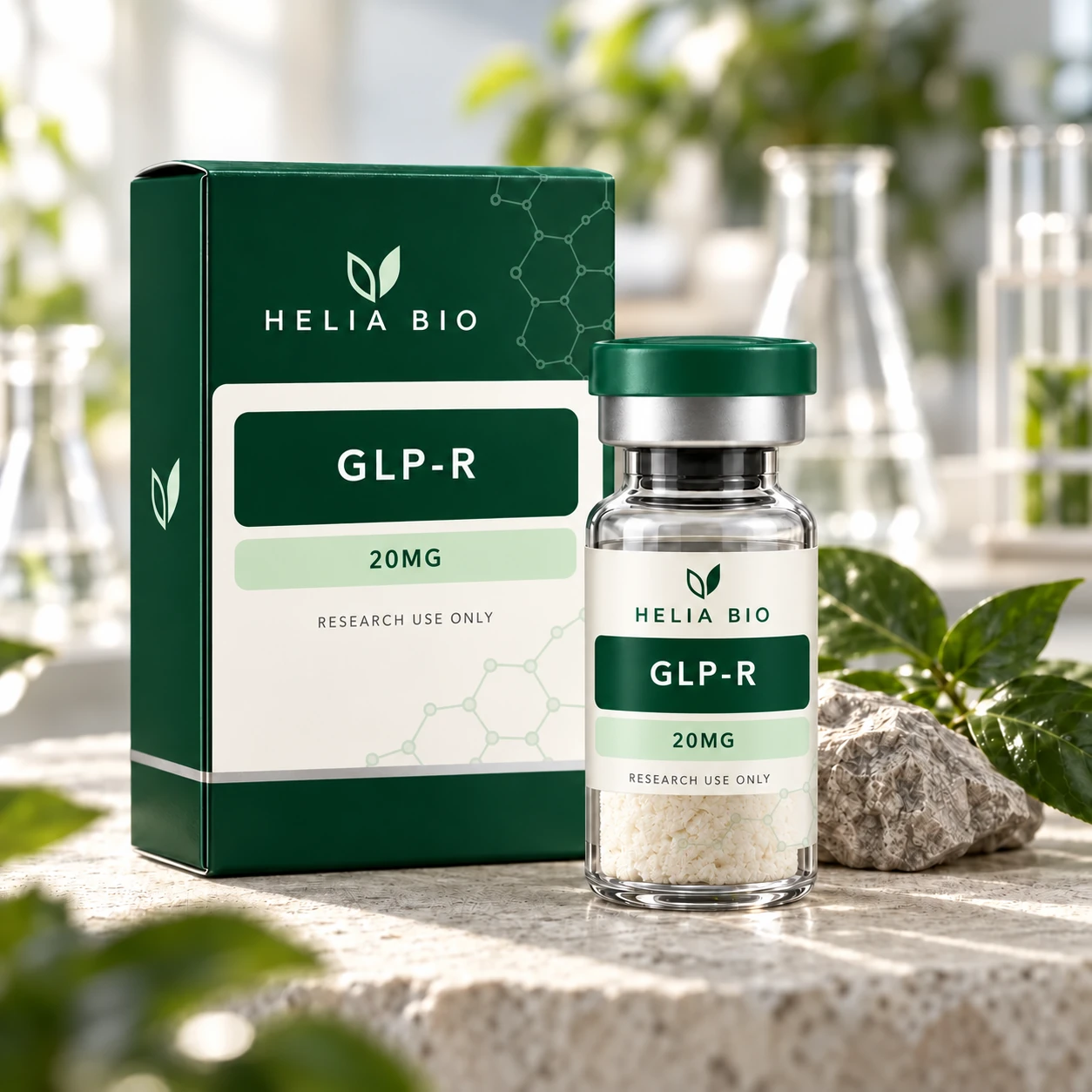
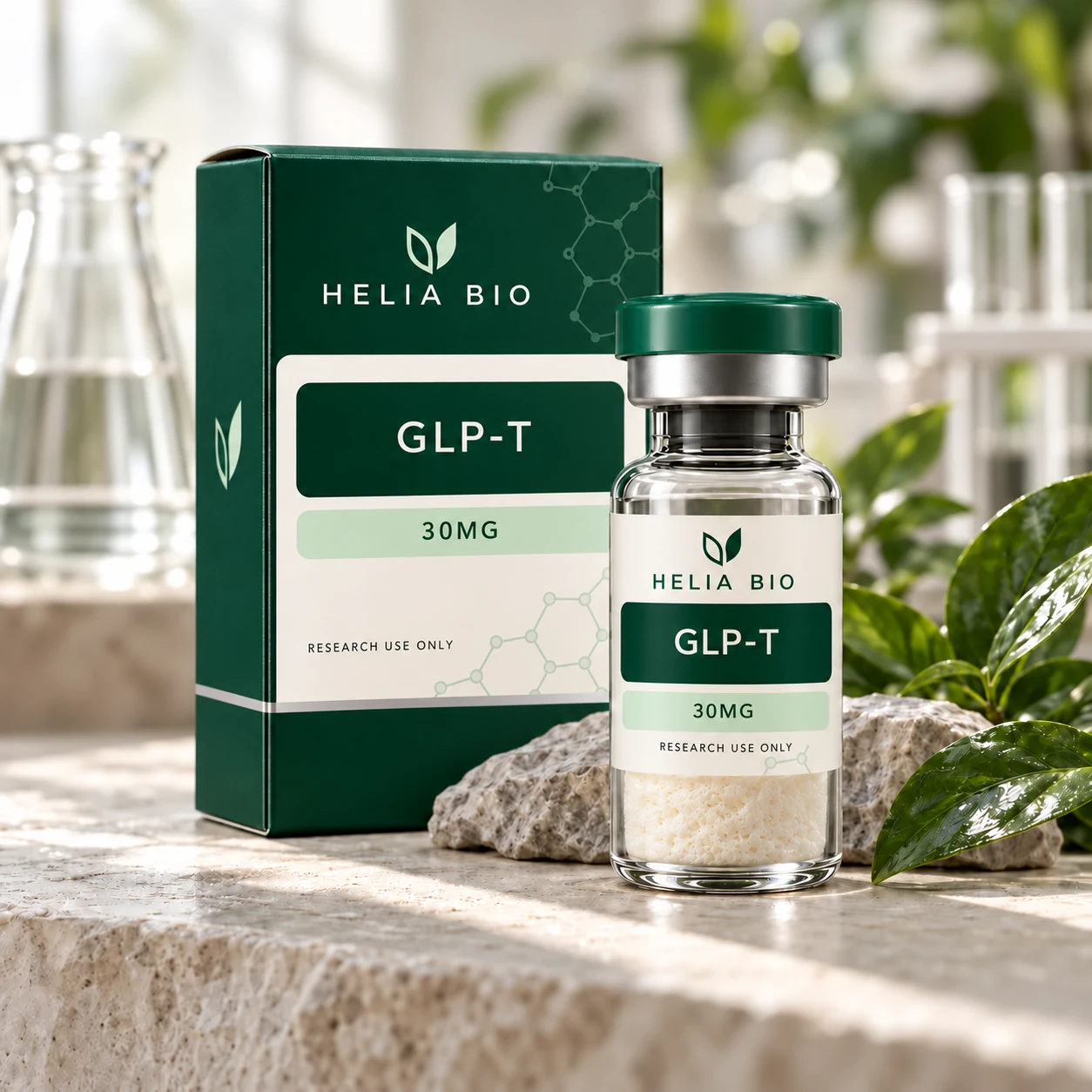
Helia research materials
Four families represented in the Helia catalog
These product links are provided for laboratory researchers. Availability does not change the evidence category or make a research material appropriate for personal use.
Frequently asked questions
Peptide research FAQ
What separates a peptide from a protein?
Both are amino-acid chains. Peptides are generally shorter and usually do not form the large, complex folded structures associated with proteins. The dividing line is a convention, not an absolute natural boundary.
Can peptides be studied orally?
Some very short chains and specially stabilized formulations are investigated through oral delivery. Many longer peptides are rapidly broken down in the digestive tract, so route and formulation cannot be inferred from the word “peptide” alone.
What does “research use only” mean?
It means the material is supplied for laboratory research and is not approved or intended for human or veterinary use. Purity testing does not convert a research material into an approved medicine.
Does “human trials” mean a peptide is approved?
No. Human research can range from early safety studies to large trials. Approval depends on a specific formulation, indication and regulatory review—not simply the existence of human data.
Can results from animal studies be assumed to apply to people?
No. Animal models help researchers investigate mechanisms and select future study questions, but they cannot establish human safety, effectiveness or dosing.
Which entries have approved prescription formulations?
Examples include tesamorelin, bremelanotide, afamelanotide, semaglutide, tirzepatide and oxytocin. Approval applies to defined products and indications; it does not transfer to unapproved laboratory versions.
Why do some compounds have several names?
A research sequence may have a chemical name, a development code, a generic drug name and one or more trademarks. For example, PT-141 and bremelanotide refer to the same active peptide, while Epithalon and Epitalon are spelling variants used for the same tetrapeptide.
Why are peptide blends listed separately?
A blend combines multiple research materials in one vial. Its components may act on different pathways, but the blend itself may not have been studied as a single formulation.
Is this a dosing guide?
No. This page intentionally excludes dosing and administration instructions. It is an educational index for research context only.
Scientific references
Journal articles supporting the evidence notes
- Mateescu DM, Gavrilescu DM, Constantinescu FE, et al. “BPC-157 as an investigational peptide therapeutic: biopharmaceutical challenges, formulation strategies, and translational development barriers.” Pharmaceutics. 2026;18(5):625. DOI
- Pickart L. “The human tri-peptide GHK and tissue remodeling.” Journal of Biomaterials Science, Polymer Edition. 2008;19(8):969–988. DOI
- Culver DA, Dahan A, Bajorunas D, et al. “Cibinetide improves corneal nerve fiber abundance in patients with sarcoidosis-associated small nerve fiber loss and neuropathic pain.” Investigative Ophthalmology & Visual Science. 2017;58(6):BIO52–BIO60. DOI
- Dalmasso G, Charrier-Hisamuddin L, Nguyen HT, et al. “PepT1-mediated tripeptide KPV uptake reduces intestinal inflammation.” Gastroenterology. 2008;134(1):166–178. DOI
- Leffler DA, Kelly CP, Green PHR, et al. “Larazotide acetate for persistent symptoms of celiac disease despite a gluten-free diet: a randomized controlled trial.” Gastroenterology. 2015;148(7):1311–1319.e6. DOI
- Wu J, Pei F, Zhou L, et al. “The efficacy and safety of thymosin alpha 1 for sepsis (TESTS): multicentre, double blinded, randomised, placebo controlled, phase 3 trial.” BMJ. 2025;388:e082583. DOI
- Lau DCW, Erichsen L, Francisco AM, et al. “Once-weekly cagrilintide for weight management in people with overweight and obesity: a multicentre, randomised, double-blind, placebo-controlled and active-controlled, dose-finding phase 2 trial.” The Lancet. 2021;398(10317):2160–2172. DOI
- Adrian S, Scherzinger A, Sanyal A, et al. “The growth hormone releasing hormone analogue, tesamorelin, decreases muscle fat and increases muscle area in adults with HIV.” The Journal of Frailty & Aging. 2019;8(3):154–159. DOI
- Kingsberg SA, Clayton AH, Portman D, et al. “Bremelanotide for the treatment of hypoactive sexual desire disorder: two randomized phase 3 trials.” Obstetrics & Gynecology. 2019;134(5):899–908. DOI
- Langendonk JG, Balwani M, Anderson KE, et al. “Afamelanotide for erythropoietic protoporphyria.” New England Journal of Medicine. 2015;373(1):48–59. DOI
- Korkushko OV, Khavinson VKh, Shatilo VB, Magdich LV. “Effect of peptide preparation epithalamin on circadian rhythm of epiphyseal melatonin-producing function in elderly people.” Bulletin of Experimental Biology and Medicine. 2004;137(4):389–391. DOI
- Khavinson VK, Popovich IG, Linkova NS, Mironova ES, Ilina AR. “Peptide regulation of gene expression: a systematic review.” Molecules. 2021;26(22):7053. DOI
- Billon C, Schoepke E, Avdagic A, et al. “A synthetic ERR agonist alleviates metabolic syndrome.” Journal of Pharmacology and Experimental Therapeutics. 2024;388(2):232–240. DOI · PubMed
- Neelakantan H, Brightwell CR, Graber TG, et al. “Small molecule nicotinamide N-methyltransferase inhibitor activates senescent muscle stem cells and improves regenerative capacity of aged skeletal muscle.” Biochemical Pharmacology. 2019;163:481–492. DOI · PubMed
- Axelrod CL, King WT, Davuluri G, et al. “BAM15-mediated mitochondrial uncoupling protects against obesity and improves glycemic control.” EMBO Molecular Medicine. 2020;12:e12088. DOI · Full study
- Astrup A, Madsbad S, Breum L, Jensen TJ, Kroustrup JP, Larsen TM. “Effect of tesofensine on bodyweight loss, body composition, and quality of life in obese patients: a randomised, double-blind, placebo-controlled trial.” The Lancet. 2008;372(9653):1906–1913. DOI · PubMed